5 Germiest Places in Your Car (And What Can be Done to Keep Them Out)
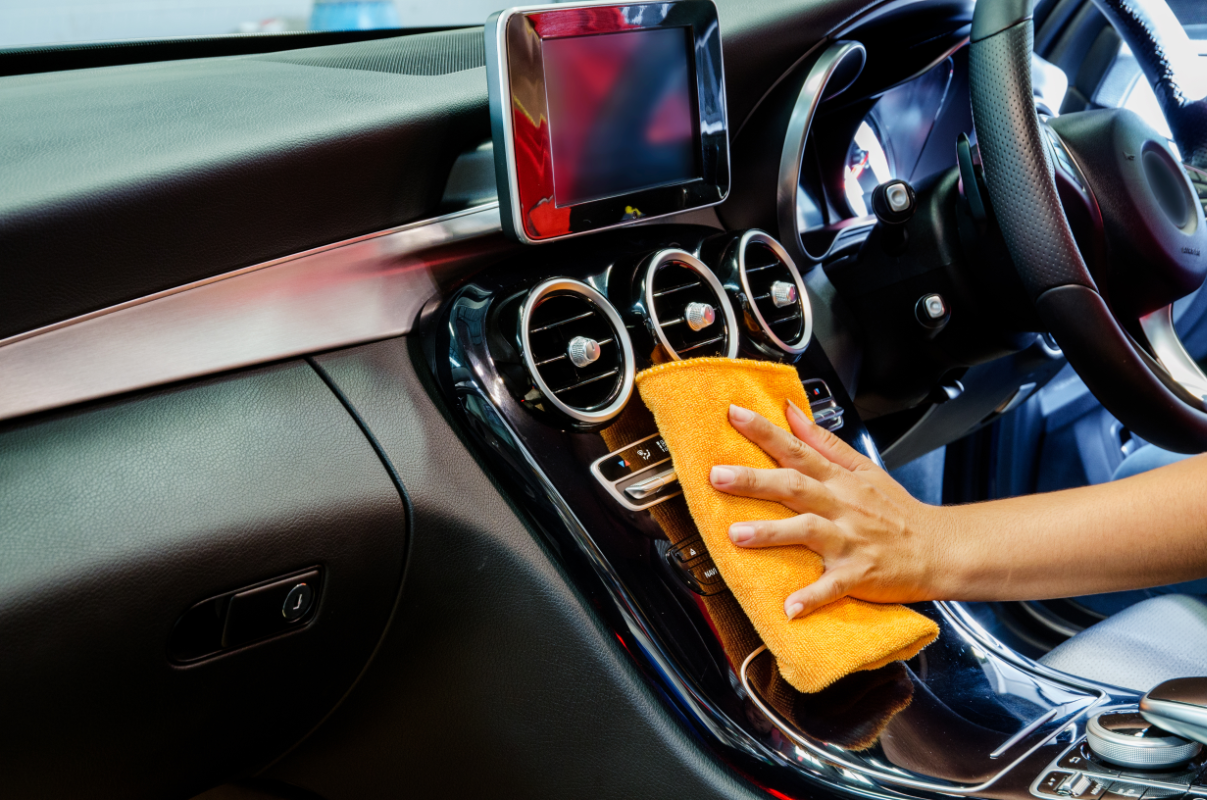
Every year, Americans spend hundreds of hours driving, averaging 13 000 miles or nearly 300 hours annually. With all that time spent on the road, car interiors are bound to get more than a little dirty and germy, yetsurveys suggest that 1/3 of drivers clean inside their cars only once a year, and 10% admit to never having cleaned their cars at all. With nearly 700 strains of bacteria living in the average vehicle, here is a list of the 5 germiest places, and the steps that can be taken to minimize the mess and microbes.
Seat Belts
Seat belts are touched at least twice every time we go for a drive, when getting in and out of the car. The retraction of the belts makes them more difficult to clean, resulting in an average of over 400 colony forming units (CFU) of bacteria per square centimeter. As such, it is important to extend the seatbelt when cleaning as a means of addressing the microbes on the buckle and those hiding in the retractor.
Cup Holders
The front seat cup holder is the perfect place for food crumbs, dust, and spills to pool and collect. Since cup holders are often used daily, and come in close contact with food and drinks, they average over 500 CFU of bacteria, including staphylococcus. These microbes have been known to cause skin infections and food poisoning.
Steering Wheel
Regardless of whether there is a single driver or a family of four in the car, steering wheels will always come in contact with the drivers hands, making them extraordinarily dirty. At 629 CFU, this makes the steering wheel over 3 times dirtier than the average public toilet seat with 172CFU. Cleaning steering wheels will prevent the transfer of microbes from our cars to our hands, while washing our hands both before and after a drive will minimize the germs being left on the steering wheel.
Car Seats
It comes as no surprise that children’s car seats can get sticky from juice, food, and other spills and accidents. The most common type of microbe found on car seats are fecal streptococci, and combined with the kids' habit of putting things in their mouths and rubbing their faces, this can cause issues such as pneumonia and ear infections.
Floor Mats
Floor mats, especially the one on the drivers side, can be incredibly dirty, trapping dust and mud from shoes, absorbing spilled food and drinks, and soaking up rainwater and melted snow. Fortunately, while we don’t often touch the floor with our hands, floor mats have been found to harbor mold which may cause unpleasant odors, as well as bacteria and yeast which can be transferred to our hands and other surfaces when we reach under the seat to pick up those keys we dropped.
Bio-Vanguard provides long-lasting control against harmful bacteria and molds on a variety of surfaces. Microbes that encounter Bio-Vanguard’s treated surfaces are trapped and punctured, disrupting their ability to grow and multiply. The antimicrobial technology binds to the surface and reduces pathogenic microorganisms by physical contact, thus providing long-lasting hygiene and odor control in car interiors. Learn more about our technology, applications, and how they can be used to protect you. Contact us at info@bio-vanguard.com.
服务科技与工业发展 造福人类

关注微信公众号