How To Fight Body Odor – Causes and Solutions

Certain smells have the ability to calm us, like the smell of flowers or a freshly baked tray of cookies, while others like dirty laundry or musky mold warns of us potential issues. Most offensive odors come from relatively obvious sources, such as the smell of smoke from burnt food or the smell of chemicals in wet paint. However, some sources of unpleasant smells are less obvious and can be caused by odor-causing bacteria or mold.
Staphylococcus hominis is a type of bacteria that consumes lipids produced by apocrine glands present around the underarms, inside the ear, and between the legs. It consumes the odorless S-Cys-Gly-3M3SH and converts it to 3M3SH, a sulfurous molecule that smells like sweat and body odor and can linger on clothing and linens. Similarly, molds present in damp carpets or clothing produce microbial volatile organic compounds (mVOCs) which have strong moldy and musky odors.
Where’s that Smell Coming From?
Odor-eliminating sprays use hydroxypropyl β-cyclodextrin (HPβCD) as its main active ingredient. This “funnel-shaped” HPβCD molecule binds to odor molecules and traps them, decreasing their volatility and unpleasant scents. However, during a test where rotten food and a litter box were placed in a room that was sprayed with an odor-eliminating spray, participants declared that the spray was ineffective and that the room still smelled “not exactly pleasant” and like “old garbage”.
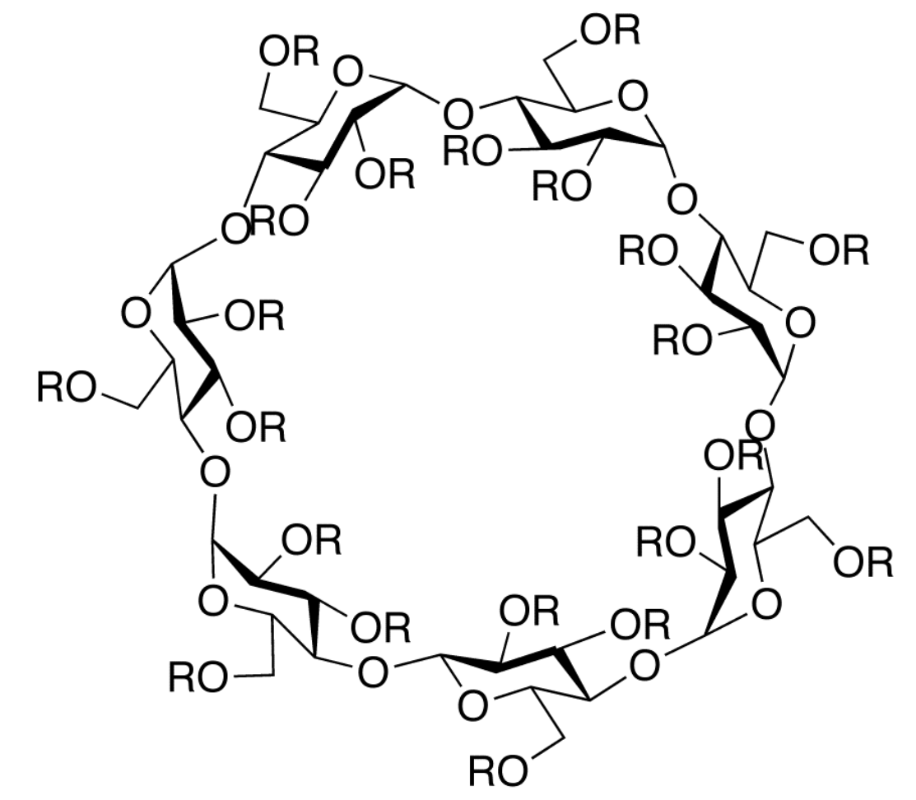
How Can I Control Unpleasant Odors?
Unpleasant odors can be minimized using a variety of methods, including:
For information about bulk orders, custom formulations, or to learn more about how Bio-Vanguard can be incorporated into your products, contact us at info@bio-vanguard.com.

服务科技与工业发展 造福人类

关注微信公众号