Application of Green Chemistry in Analytical Chemistry
According to ACS, analytical chemistry is the science of obtaining, processing, and communicating information about the composition and structure of matter. In other words, it determines what matter is and how much of it exists. The results of chemical analysis are the main argument for setting restrictions and establishing laws with regard to environmental concerns.
How It Relates to Green Chemistry
Analytical chemistry is an efficient tool to assess and justify green chemistry. In the meantime, analytical chemistry is an object of application of the principles of green chemistry. Chemical analysis needs solvent, reagents and energy, and it will apply the principles of green chemistry for being efficient and safe. The directly related principles are
- Prevention
- Safer Solvents and Auxiliaries
- Real-time Analysis of Pollution Prevention
- Inherently Safer Chemistry for Accident Prevention
The general steps of chemical analysis include Sample Preparation, Separation, Detection, and Identification. The first two are areas where the chemistry can be more involved in turning green, as the most chemical of last two steps, the electrochemical detection, is very sensitive, which means a small amount of sample is needed and a small amount of waste is generated.
Sample Preparation
The development of instrumental methods in sample preparation is a new trend due to a decreasing need in the sample amount and therefore an efficient use of energy, as well as a reduction of generated waste. The development of photochemical methods is a green way in sample preparation as well. Generally, in the development of new methods, the directions should be searching for less toxic compounds and processes with more cost-effectiveness and minimized waste generation.
The potential environmentally friendly sample preparation techniques includeSolvent micro-extraction
- n-vial liquid–liquid extraction (in-vial LLE)
- Single-drop micro-extraction (SDME)
- Liquid-phase micro-extraction (LPME)
- Liquid–liquid–liquid micro-extraction (LLLME)
Sorption micro-extraction and liquid desorption
- Solid-phase extraction (SPE)
- In-tube solid-phase micro-extraction (in-tube SPME)
- Fiber-in-tube solid-phase extraction (fiber-in-tube SPE)
- Single short column (SSC)
- Solid-phase micro-extraction (SPME)
Thermal desorption
- Solid-phase micro-extraction (SPME)
- Stir-bar-sorptive extraction (SBSE)
Matrix solid-phase dispersion
- Matrix solid-phase dispersion (MSPD)
Enhanced fluid/solvent extraction
- Supercritical-fluid extraction (SFE)
- Pressurized-liquid extraction (PLE)
- Subcritical-water extraction (SWE)
- Microwave-assisted extraction (MAE)
- Sonication-assisted solvent extraction (SASE)
Thermal desorption from solids
- Direct thermal desorption (DTD)
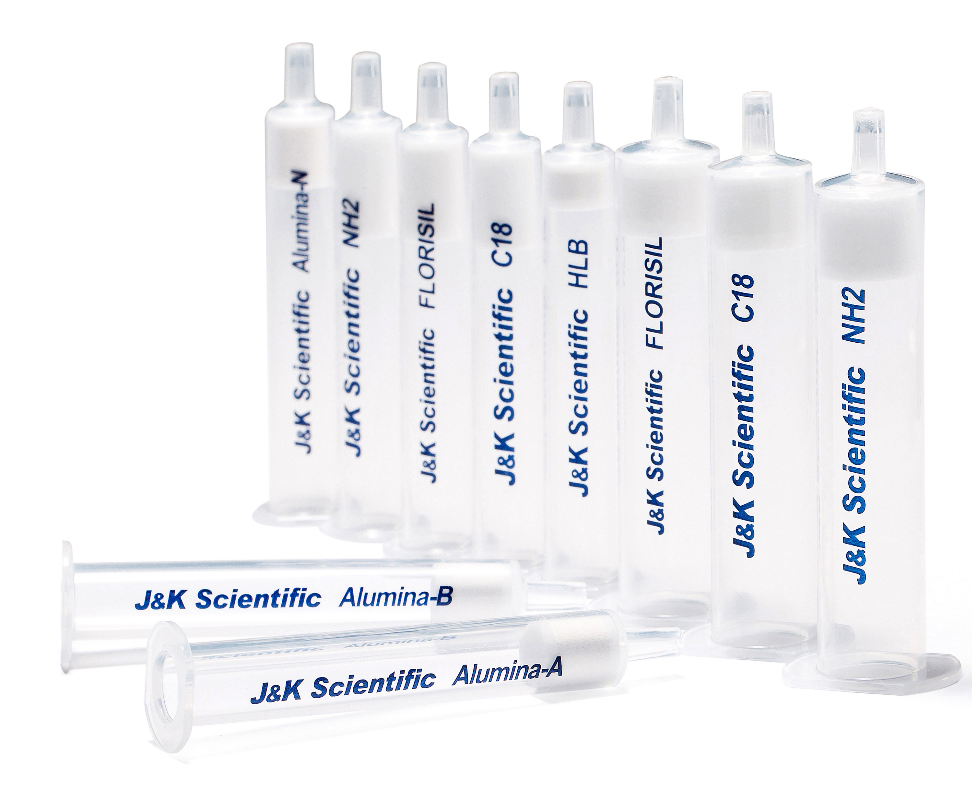
Among these, SPE is the primary choice for liquid samples. An online (and automated) solid-phase extraction–liquid chromatography (SPE-HPLC) is a fully mature approach and can easily be miniaturized.
Separation
In the development of separation methods, it should be an aim that requiring less sample size, low consumption of solvent, higher selectivity, faster analysis time, mechanically simpler instrument.
Electrical-driven separation methods are qualified for green analytical chemistry, which consume less solvent and sample compared with many chromatographic methods, and more laboratories are starting to consider the capillary electrophoresis (CE) as a standard procedure for the separation of complex samples. In addition, micronization in separation methods can reduce waste generation and is essential for small amount of sample analysis. To simplify procedures, miniaturized total analysis systems (µTAS) integrate all steps in chemical analysis into a single device via miniaturization, leading to a higher selectivity and detection limit. However, microfluidic devices consume nanoliters or picoliters of samples while samples are typically transferred in quantities of microliters to milliliters. This does not meet the requirement of green chemistry.Solvents, the main source of waste, are commonly used in sample preparation and separation methods. Therefore, the use of alternative solvents is crucial in green analytical chemical. Supercritical fluids (like water, CO2) used for extraction can not only save analysis time and reduce organic solvent consumption, but also expand the overall spectrum of solubility, polarity, and volatility properties of solvents and mobile phases. Ionic liquids’ physical properties are promising for green chemistry, including low volatility and appropriate melting point. Moreover, these alternative solvents have the ability of chemical tunability. More discussion about the green solvents will be covered in the next article.
The development of analytical methods is rapid, and it should be a natural trend to take into consideration the principles of green chemistry to minimize safety, health, and environmental impact.
- American Chemical Society
- Koel, M. and Kaljurand, M., 2006. Application of the principles of green chemistry in analytical chemistry. Pure and applied chemistry, 78(11), pp.1993-2002.

服务科技与工业发展 造福人类

关注微信公众号