Disease Causing Bacteria and How to Control Them
时间: 2020-09-21
作者: 百灵威
分享:
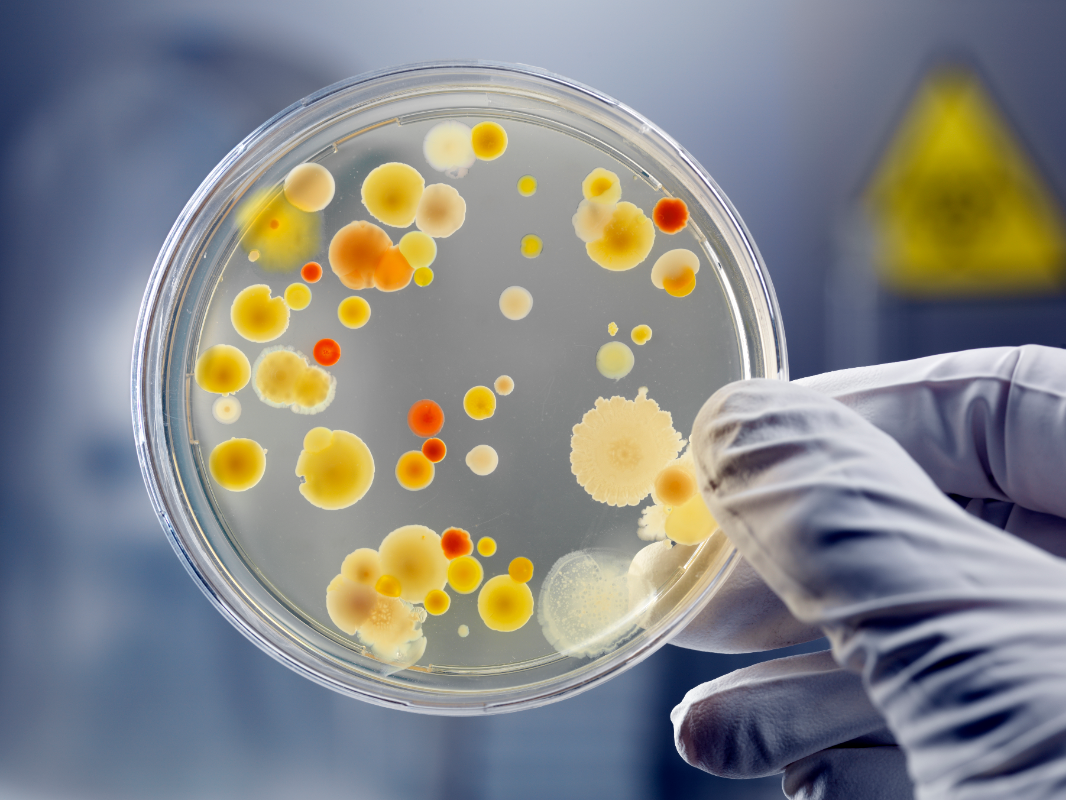
Bacteria are microscopic single-celled organisms ranging from 0.5-10µm in length. They appear in 3 major shapes; spheres (cocci), rods (bacilli), and spirals (spiralla), and can live and thrive in a multitude of environments, including household surfaces, in plants and animals, hot water springs, and more. Bacteria can live in hotter and colder temperatures than humans, but they do best in a warm, moist, protein-rich environment that is pH neutral or low acid.
Some types of bacteria are beneficial for human health, such as Lactobacillus acidophilus which produces lactase to aid in the digestion of dairy products, while other types of bacteria can cause illnesses, including the strep throat-causing Streptococcal pharyngitis. Bacteria can survive anywhere from several minutes to several months on both hard and soft surfaces, giving them ample opportunity to be transferred to other areas by our hands, and even cleaning supplies like sponges and towels. This in turn allows the bacteria to colonize and thrive on new surfaces, which exacerbates transmission of illnesses including food poisoning and skin infections. As such, it is more beneficial to reduce the chance of bacterial infections, rather than to treat them. This can be done by effectively disinfecting surfaces regularly. The table below summarizes the bacteria's survival time and the proper way to disinfect.The protection that disinfectants provide against bacteria is limited as the surface is exposed to the introduction and inhabitation of bacteria once the disinfectant evaporates or is wiped off. Bio-Vanguard adds a layer of protection to surfaces and has been proved effective in inhibiting >99.9 of pathogenic microbes. Find out more about the technology, and how it can be used to keep your home clean by contacting us at info@bio-vanguard.com.
IMAGE PLACEHOLDER

100万+品类
全品全覆盖,海量现货高品质

50万+瓶现货
可实现最快4小时送达

28万+服务客户
提供产品及配套技术服务
联系我们


关注微信公众号
本网站销售的化学产品仅供研发或工业应用,不直接用于食品、药品、临床诊断或治疗。
