Biological Safety - Disinfection and Decontamination
In recent years, more and more attention has been paid to biological safety. Disinfection and decontamination will effectively prevent biosafety risks.
Disinfection is a term used to describe a process that eliminates virtually all pathogenic microorganisms on inanimate objects and surfaces, reducing contamination and achieving to a harmless level. Decontamination refers to a process or treatment that renders a medical device, instrument, or environmental surface safe to handle. Disinfection is one form of decontamination, other levels of decontamination include:- Cleaning removes visible materials and reduces the number of microorganisms, often a required step before sterilization or disinfection.
- Antisepsis inhibits or destroys microorganisms.
- Sterilization eliminates all microorganisms, including bacterial spores.
Why use disinfectants? 1
To eliminate exposure risk
- Waste treatment
- Spill cleanup
- Minimization of laboratorial infections
- Routine surface decontamination
To eliminate contamination risk
- Preparation of microbiological media & supplies
- Cross contamination of samples and tissue culture
- Preparation of work area for cleanliness-critical tasks
Considerations about Disinfectants
- Which disinfectants are effective on target microorganisms
- Contact time
- How long disinfectants remain effective and cost
- Product safety
- Residue and odor
- Concentrate or read-to-use products
Common Laboratory Disinfectants
Chlorine
 Source: EGas Depot">
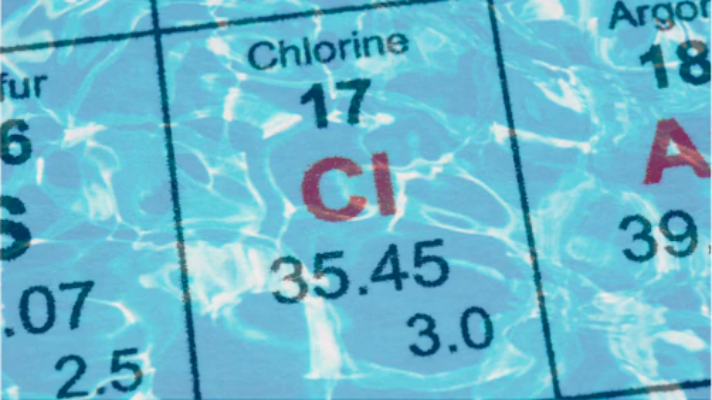
Chlorine is one of the most widely used disinfectants, which is applicable and effective with wide bactericidal spectrum. Also, it is relatively cheap. However, solutions must be made fresh to maintain the potency due to its oxidizing power. Additionally, it is not eco-friendly as it will pollute the water system, not to mention the unpleasant odor. Also, it cannot be mixed with other disinfectants due to potential to generate chlorine gas.
Alcohols
The most common alcohol disinfectants are isopropyl and ethyl alcohol. It is worth noting that 60 - 80% alcohol is the most effective concentration. Alcohols are inexpensive and leave no residues. However, it may evaporate before required contact time and become not effective. Also, it may harden rubber, dissolve some glues, and it is flammable.
Quaternary Ammonium Compounds
The quaternary ammonium compounds (quats) are widely used as surface disinfectants. They tend to be relatively broad spectrum, and are primarily effective against gram positive bacteria. Quats are good for water baths, incubators where halide or phenolic residues are not desired. Importantly, they are considered non-toxic. Like other disinfectants, quats cannot eliminate bacterial spores.
Iodophors
Iodophors are intermediate-level disinfectants, which kill broad range of organisms immediately. However, they are corrosive and toxic. Also, iodophors are designed to be used as skin antiseptics, not for surfaces’ disinfection.
Phenolics
 Source: MIT EHS">
Phenolics are active against vegetative bacteria and lipid-containing viruses. They are not high-level disinfectants but can be used to preclean or decontaminate devices. However, phenolics are irritant and can penetrate the skin. Also, some areas have disposal restrictions.
Hydrogen Peroxide
Hydrogen peroxide is active against a wide range of microorganisms, and it is stable when stored properly under normal conditions. Extra attention needed to ensure the contact time for different products to be considered effective.
Factors may influence efficacy
- Surface topography
- Temperature
- Relative humidity
- PH
- Water hardness
- Organic load
- Concentration
- Contact time
- Method of application
- Storage conditions
In summary, it is of great significance to clean all surfaces with appropriate disinfectants before and after working. Also, general laboratory cleaning and disinfection on a regular basis is essential.
- APHL. “Practical Disinfection Guidance for the Clinical Laboratory”
- Princeton University. “Biological Safety: Disinfection”
- MIT EHS. “Decontamination and Disinfection”
- UCSD. “Biosafety: Decontamination Methods for Laboratory”